Arolsen Archives - Home page
-
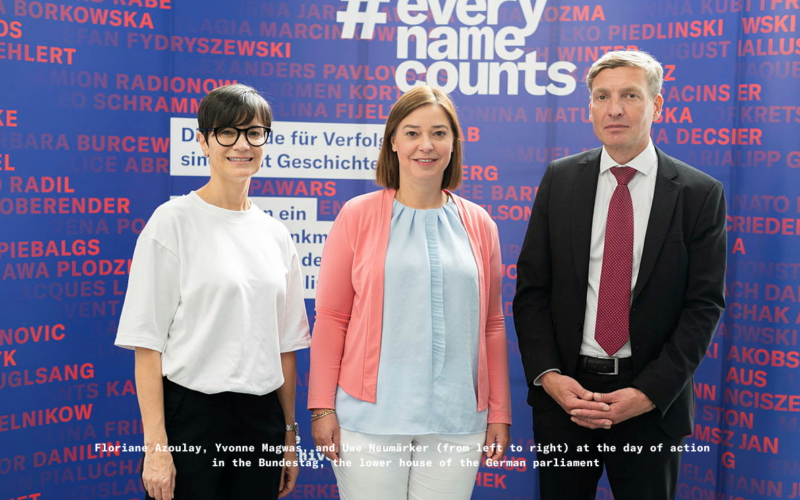
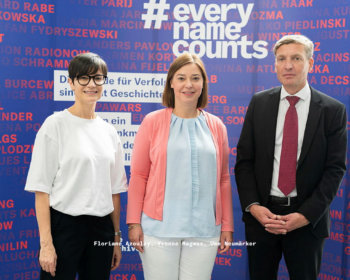
#everynamecounts at the Bundestag
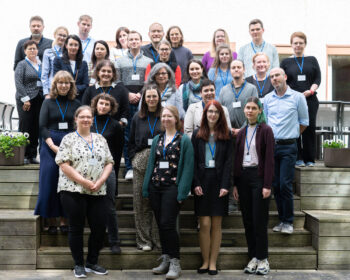
Young people from four Berlin schools joined us on June 25, 2024, to present our crowdsourcing initiative in the German Bundestag.
-

“and today?” – education hub
Find out more about our digital resources for historical-political education – ideal for regular lessons, project weeks, and cover lessons.
-
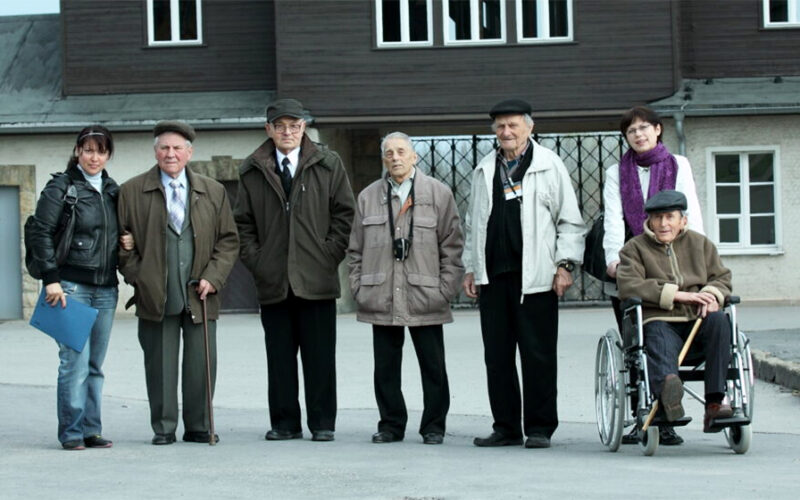
Direct Aid for Ukrainian survivors
Many survivors of Nazi persecution and their descendants in Ukraine are directly affected by the Russian war. An aid network provides them with concrete help.
-

What does Gen Z think about the Nazi era?
The current generation of 16-25 year olds are much more interested in the Nazi era than their parents, and when they study the period, they hone in on issues like racism and discrimination.
-
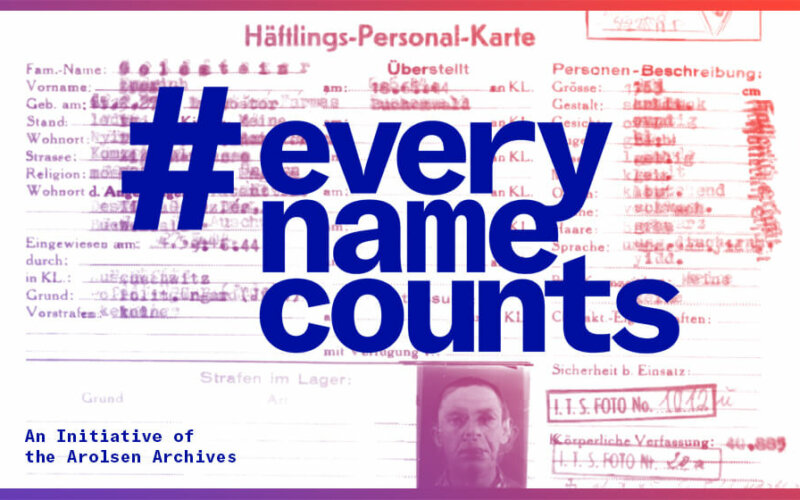
#everynamecounts
#everynamecounts is an initiative of the Arolsen Archives with the goal to build a digital memorial for the persecutees of Nazism. Support us!
News & Events

FAQ
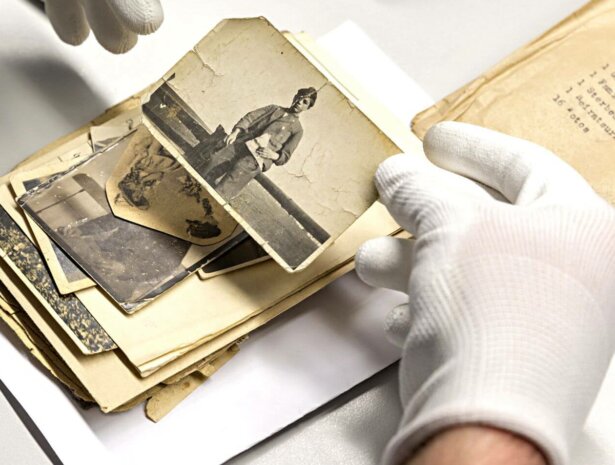
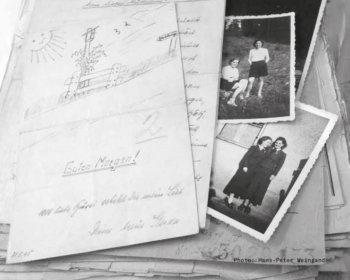
The Arolsen Archives are the international center on Nazi persecution with the world’s most comprehensive archive on the victims and survivors of National Socialism. The collection has information on about 17.5 million people and belongs to the UNESCO’s Memory of the World. It contains documents on the various victim groups targeted by the Nazi regime and is an important source of knowledge, especially for younger generations.
To this day, the Arolsen Archives answer inquiries about some 20,000 victims of Nazi persecution every year. For decades, clarifying fates and searching for missing persons were the central tasks of the institution, which was founded by the Allies in 1948 as the “International Tracing Service”.
Research and education are more important than ever to inform today’s society about the Holocaust, concentration camps, forced labor and the consequences of Nazi crimes. The Arolsen Archives are building up a comprehensive online archive so that people all over the world can access the documents and obtain information.
Anyone who is looking for information on the victims of National Socialism, former inmates of concentration camps or forced laborers, or for information on displaced persons during the period following 1945. The Federal Republic of Germany finances our work to help enable individuals to come to terms with the consequences of Nazi persecution. This means we can offer our services free of charge to survivors and to victims’ relatives: we conduct research and search for traces which can help them to come to a better understanding of their family history. We also offer a range of services for other interested parties from the fields of education, research or archiving.
Since May 2019, we have been operating under the new name Arolsen Archives – International Center on Nazi Persecution. The institution itself has not changed and we continue to do the same work, of course, just as we did in the past. The archive was created to document the crimes of the National Socialists and the fates of the victims. Current social developments show that it is becoming more and more important to awaken interest in these topics in order to keep knowledge about the crimes perpetrated by the Nazi regime and the inhuman ideology behind it alive. The new name and the move to become an international center on Nazi persecution is a logical consequence of this development. By the way, International Tracing Service will be preserved as a legal name because the international agreements with the member states use this name.